
Understand Existing Conditions
A systematic review helps document visible deterioration, deferred maintenance, performance concerns, and other conditions that may affect the building or require further attention.
Building Condition Assessments
A structured review of visible building conditions can help owners and decision-makers identify concerns, understand repair and maintenance priorities, and plan future capital work with greater clarity.
Why It Matters
The purpose is not only to identify visible deficiencies, but to help clients understand their significance, relative priority, and appropriate next steps.
A systematic review helps document visible deterioration, deferred maintenance, performance concerns, and other conditions that may affect the building or require further attention.
Observed concerns can be organized by relative urgency so owners can distinguish immediate needs from near-term repairs and longer-term capital items.
Condition information can support acquisition, ownership, maintenance, rehabilitation, budgeting, and other property-related decisions.
Clear documentation of existing conditions can help inform future repair programs, capital projects, budgeting priorities, and broader asset-management discussions.
Building Systems Reviewed
The specific systems and components included in an assessment are defined by the property type, client objectives, available access, and agreed scope of work.
Visible wall assemblies, cladding materials, joints, interfaces, sealants, flashings, and signs of deterioration or moisture-related concerns.
Accessible roof coverings or membranes, drainage components, parapets, flashings, transitions, and visible maintenance or deterioration concerns.
Visible window and door assemblies, perimeter interfaces, sealants, glazing conditions, drainage provisions, and signs of air or water leakage.
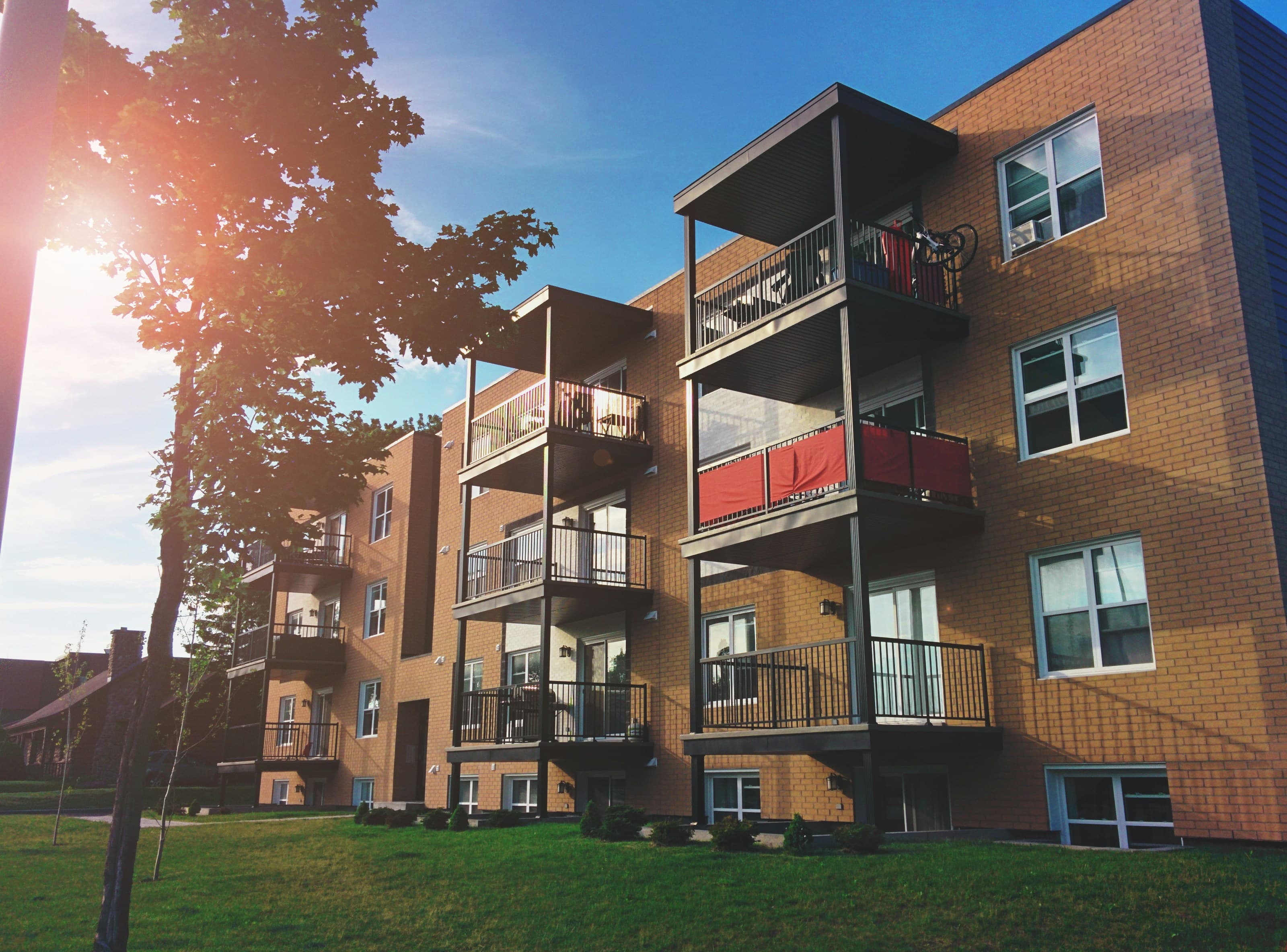
Accessible balconies, canopies, guards, soffits, exposed edges, waterproofing interfaces, and visible signs of deterioration.
Visible foundation interfaces, entrances, localized grading, drainage conditions, and exterior features that may affect the building envelope.
Accessible interior areas may be reviewed for staining, condensation, deterioration, or other symptoms that may relate to exterior enclosure conditions.
Building condition assessments are generally based on visible and accessible conditions. Concealed assemblies, exploratory openings, specialized diagnostic work, and discipline-specific reviews are included only where identified in the agreed scope or coordinated with an appropriate specialist.
Condition Priorities
Assessment findings can be organized by relative priority to help clients understand which conditions may require prompt action, near-term repair planning, or ongoing maintenance and monitoring.
Conditions that may warrant prompt action, stabilization, further investigation, or coordination with an appropriate specialist.
Conditions that may not require immediate action but should be considered for repair, further investigation, or capital planning in the near term.
Routine maintenance items, monitoring recommendations, and longer-term repair or renewal needs that can be incorporated into ongoing property planning.
Priority classifications are based on the observed conditions, available information, and agreed assessment scope. They are intended to support planning and do not replace emergency response, specialty investigation, or detailed design where those services are required.
Assessment Process
The assessment process is tailored to the property and agreed scope while maintaining a systematic approach to document review, site observations, condition evaluation, and reporting.
Step 01
Available drawings, reports, maintenance records, known concerns, and other relevant documentation are reviewed to understand the building, establish context, and confirm the assessment objectives.
Step 02
Visible and accessible building envelope systems and related components included in the agreed scope are systematically reviewed and documented through site observations and photographs.
Step 03
Observed conditions are evaluated in the context of apparent deterioration, maintenance requirements, building performance, available information, and the objectives of the assessment.
Step 04
Assessment findings are documented with photographs, technical findings, relative priorities, and practical recommendations for maintenance, repair, monitoring, or further investigation.
Where observed conditions require focused investigation, exploratory openings, specialist review, or detailed repair design, appropriate follow-up services may be recommended or scoped separately.
Assessment Deliverables
The assessment deliverable is developed around the agreed scope, property type, and client objectives. Reporting is intended to clearly communicate observed conditions, relative priorities, and practical recommendations for next steps.
A written report documenting the reviewed building envelope systems and components, observed conditions, technical findings, assessment limitations, and recommendations relevant to the agreed scope.
Relevant photographs document representative conditions, visible deterioration, maintenance concerns, and other observations discussed in the assessment.
Key findings are summarized to help clients identify significant concerns, recurring conditions, and items that may require monitoring, further investigation, or action.
Practical recommendations may address maintenance, repair, monitoring, further investigation, specialist review, or longer-term capital planning based on the observed conditions.
The level of detail, components reviewed, recommendation format, and any inclusion of preliminary budget or capital-planning information are confirmed in the proposal before the assessment begins.
Who We Work With
Velora supports clients who need a clearer understanding of existing building envelope conditions before planning maintenance, repairs, rehabilitation, acquisition, or other property-related decisions.
Condition assessments can help owners understand visible building envelope concerns, establish maintenance priorities, and plan repair or rehabilitation work.
Condition assessments can support board discussions, investigation of known concerns, repair planning, and informed capital decisions.
Clear documentation of observed conditions can help property managers communicate concerns, coordinate follow-up work, and support maintenance and ownership decisions.
Property-specific condition information can help purchasers and investors understand visible concerns, potential repair needs, and areas that may require further investigation.
When to Engage Velora
The right time for an assessment depends on the property, known concerns, ownership objectives, and the maintenance, repair, or investment decisions that need to be supported.
A condition assessment can help purchasers and investors understand visible building envelope concerns, potential repair needs, and areas that may require further investigation before an acquisition.
Recurring deterioration, water entry, condensation, sealant failure, aging exterior components, or other reported concerns may indicate the need for a broader review of the building envelope.
A structured assessment can help organize observed conditions and establish relative priorities before developing maintenance programs, repair projects, capital budgets, or longer-term renewal plans.
Understanding existing conditions before repair or rehabilitation work can help clarify project objectives, identify information gaps, and determine where focused investigation or repair design may be required.
Frequently Asked Questions
Assessment scope, components reviewed, reporting detail, and recommendations are defined around the property and the decisions the client needs to support.
A building condition assessment is a structured review of visible and accessible exterior enclosure systems and related components included in the agreed scope. The assessment documents observed conditions, identifies relevant concerns, and provides recommendations to support maintenance, repair, rehabilitation, or property-planning decisions.
Building Condition Assessment
Tell us about the property, known concerns, available documentation, and the decisions the assessment needs to support. We’ll review your inquiry and help determine an appropriate scope and practical next step.